
Lawrence Bennett of No Ghost shares his approach to immersive storytelling.
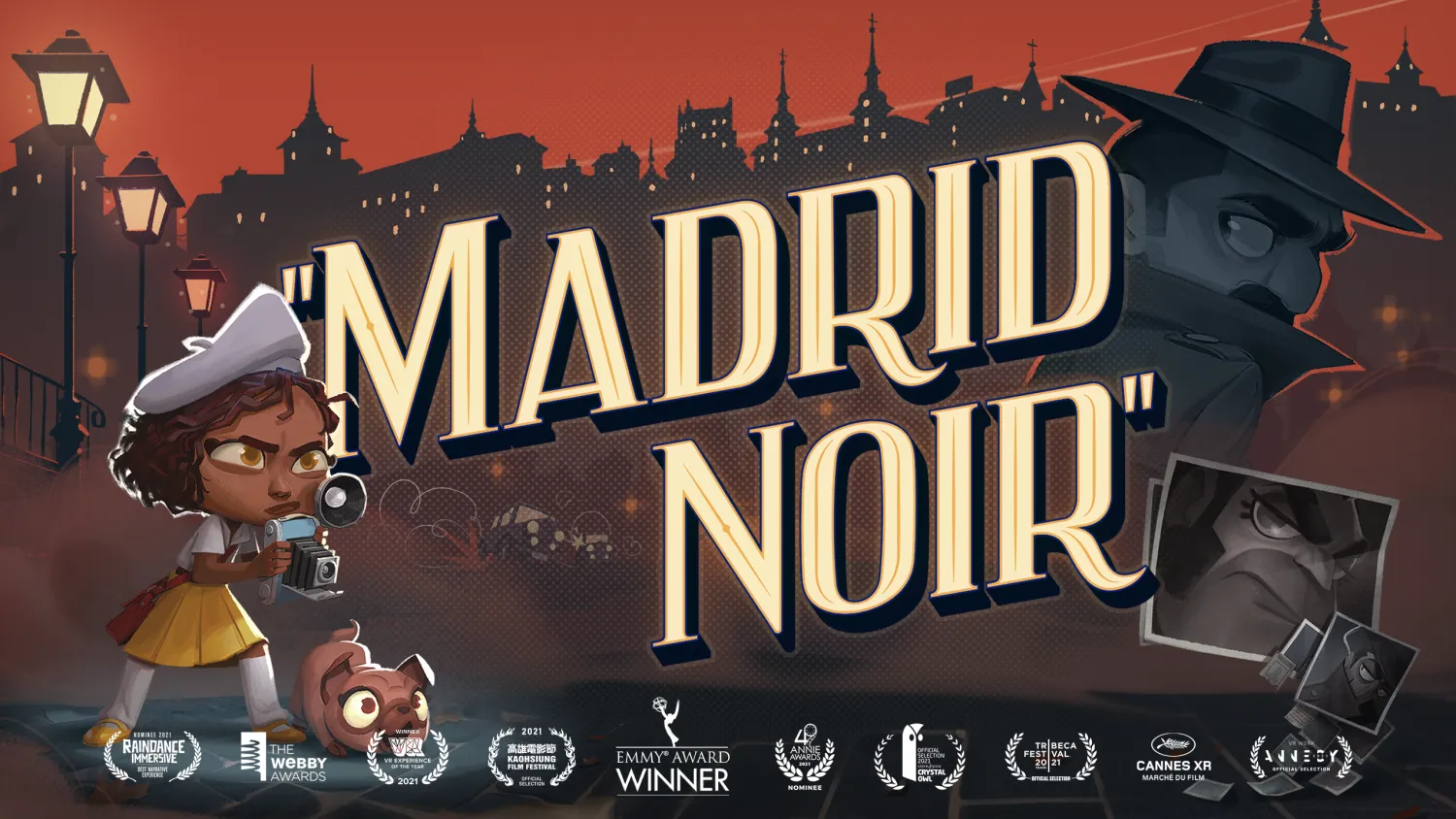
Imagine a character who talks to you for 45 minutes straight. She meets your eye, thinks aloud, hands you her memories and her theories, and you never get to say a word back – that’s a lot to ask of a character. In Madrid Noir, it’s the foundation of the whole experience.
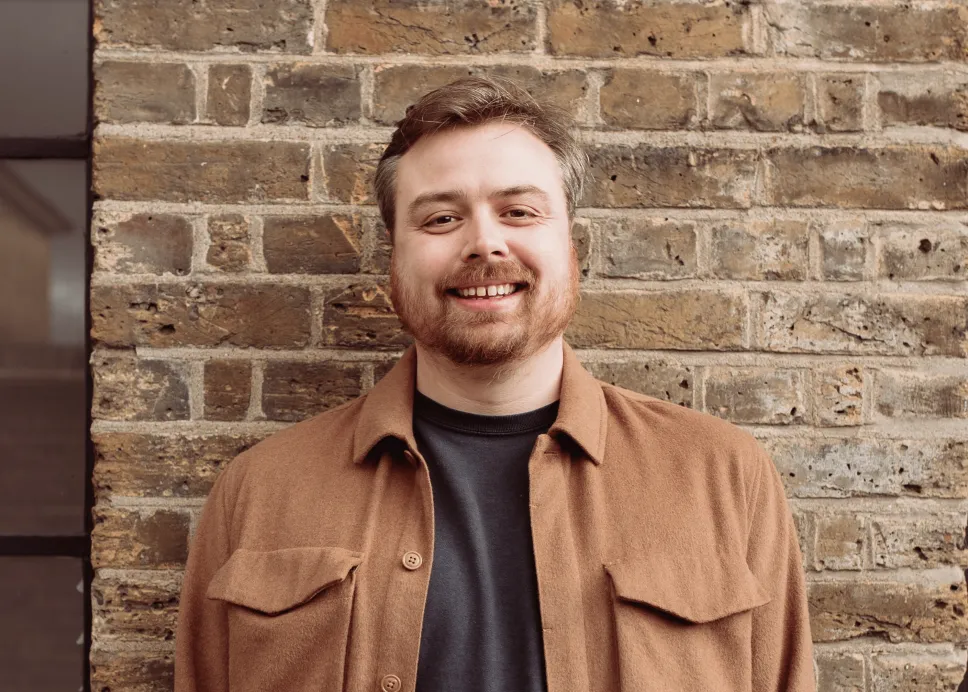
Bennett, co-founder and Creative Director of London-based immersive studio No Ghost, was one of the writers behind Madrid Noir. Here, he shares what he has learned about telling stories to an audience that can look anywhere.
Build a relationship with the audience
One of the biggest writing challenges in Madrid Noir was making Lola's central monologue believable. The whole experience, Bennett explains, “lives or dies on whether you feel a connection to her.”
The solution was to make Lola feel less like a character delivering a monologue and more like someone sharing her thoughts with you. She addresses the audience directly, offloads her deductions and memories, and brings them into the process of piecing together her story. Her voice, Bennett says, “had to feel natural, specific and honest.”
Part of making that voice believable was learning to work with silence: drawing attention away from the audience’s silence so it felt “like an expected part of the relationship and not a gap in the conversation”, while also leaving “plenty of space” in Lola’s own delivery for it to land. “When somebody has been talking at you for 45 minutes straight,” Bennett says, “the gaps take on a particularly significant power.”
Eye contact was another surprisingly intricate part of the process. “We spent a long time working on it,” Bennett explains, “so that Lola would engage you at the right moments and pull away naturally when she was lost in her own thoughts.”
“Physical proximity played a big part too,” he says. “Lola approaches you at specific moments when she's looking for intimacy, safety and support, and pulls back in moments of hopelessness, loneliness and guilt.”
Then there was the question of how Lola actually looked and moved. Her animation didn’t need to be realistic, but it did need to be emotive, which Bennett says is “something only the hands of talented animators can achieve”.
Getting her proportions right took some experimenting: “Rather strangely, we had great fun playing around with Lola's head size. The design is deliberately pronounced, but at first it felt like talking to a blimp! We had to scale it down multiple times before she had a believable humanness to her.”
Understand the audience experience
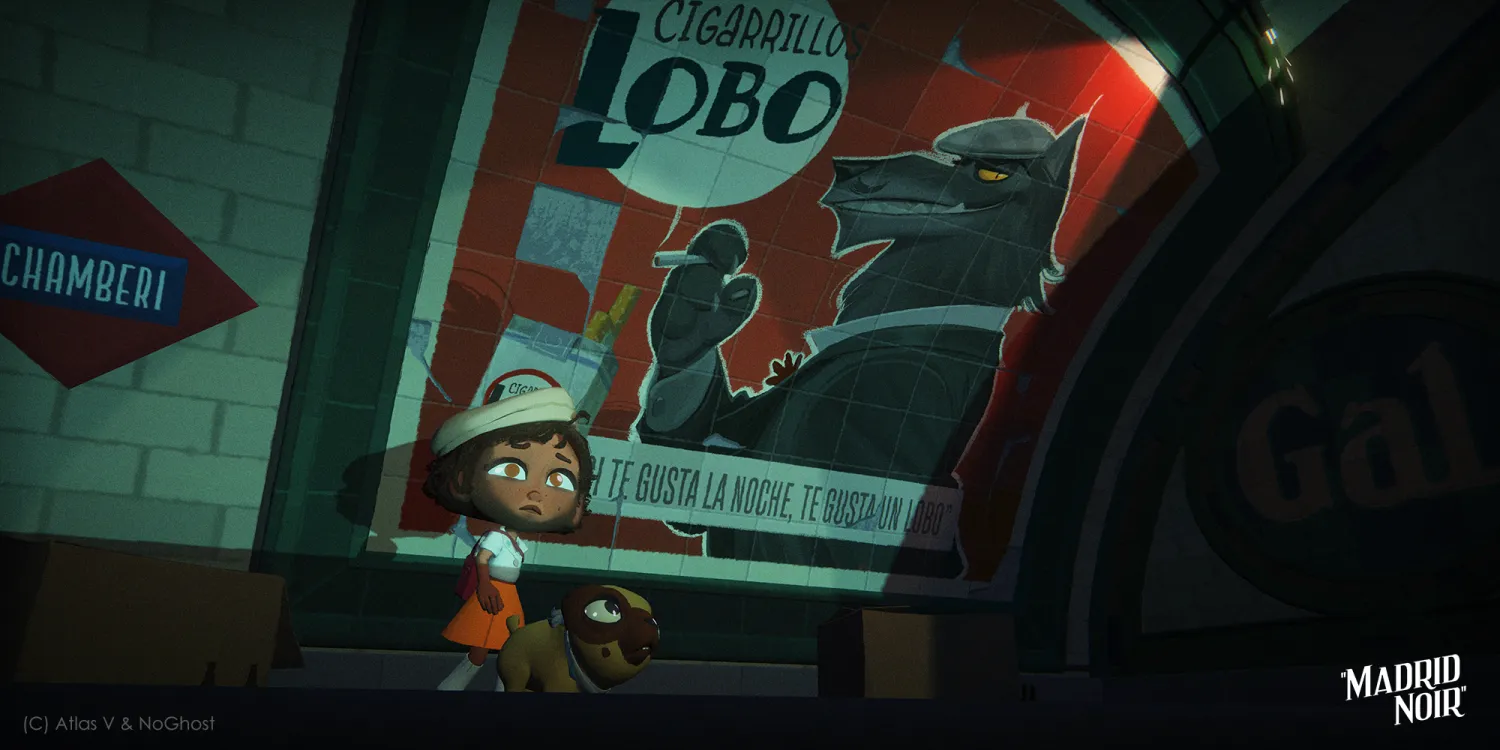
For Bennett, writing for immersive requires an “absolute laser focus on the experience of the audience”. That means thinking beyond what people see and hear to how they will move through the world, interact with it and make sense of it.
He explains that the audience is invited on “a unique and transportive journey” and given real freedom along the way, but the creator has to make that freedom feel safe to use. He describes this as an “honest agreement” between creator and audience: “the creator has designed the horse even if the audience is then given the reins.”
Keeping the audience connected to the story, he explains, relies “far more on repetition and layering.” An instruction or suggestion may need to be communicated in at least three different ways before it registers, with visual, audio and physical cues working together to guide the audience through the experience.
For Bennett, thinking about that experience starts well before production. “Anything you can do to understand the audience experience whilst in the development phase can be transformative,” he says. “Even if it's just through paper prototyping, role-playing or acting scenes out with office furniture as props.”
Let your audience make their own discoveries
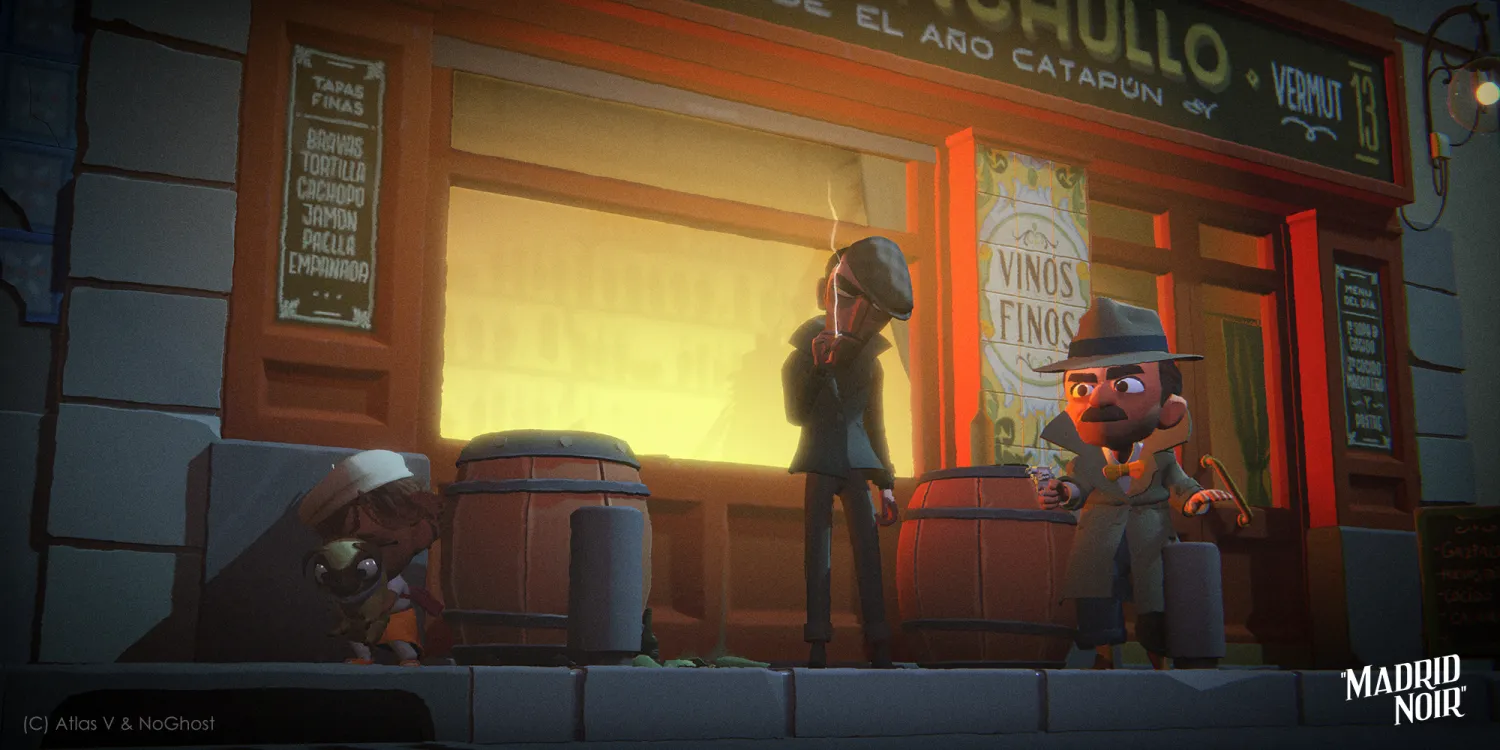
Madrid Noir is a mystery, and for Bennett, that brought challenges of its own. In an immersive film, you can’t be sure what the audience has noticed or in what order, which makes it hard to know whether a clue has landed.
“It turns out mysteries are hard!” Bennett admits.
With Madrid Noir, the trick was to let information emerge gradually, giving viewers the satisfaction of making discoveries for themselves rather than spelling everything out. “You have to wrap [clues] up in little bundles of other information, so it's there to be found without ever feeling handed over,” he explains.
Beyond keeping viewers guessing about the clues, Bennett wanted them to question Lola herself, and how much of her story they should take at face value.
“Even once you feel close to her, we wanted to engineer a sense that youʼre never quite sure how unreliable Lola is as a narrator. After all, itʼs tough to know how accurate your childhood memories are.”
To help establish this uncertainty, the team created visual and motion contrasts between the two timelines, and experimented with framing and scale. As Bennett explains, “In immersive work, much like in theatre, these stop being purely creative choices and become core storytelling tools in their own right.”
Re-write the rulebook
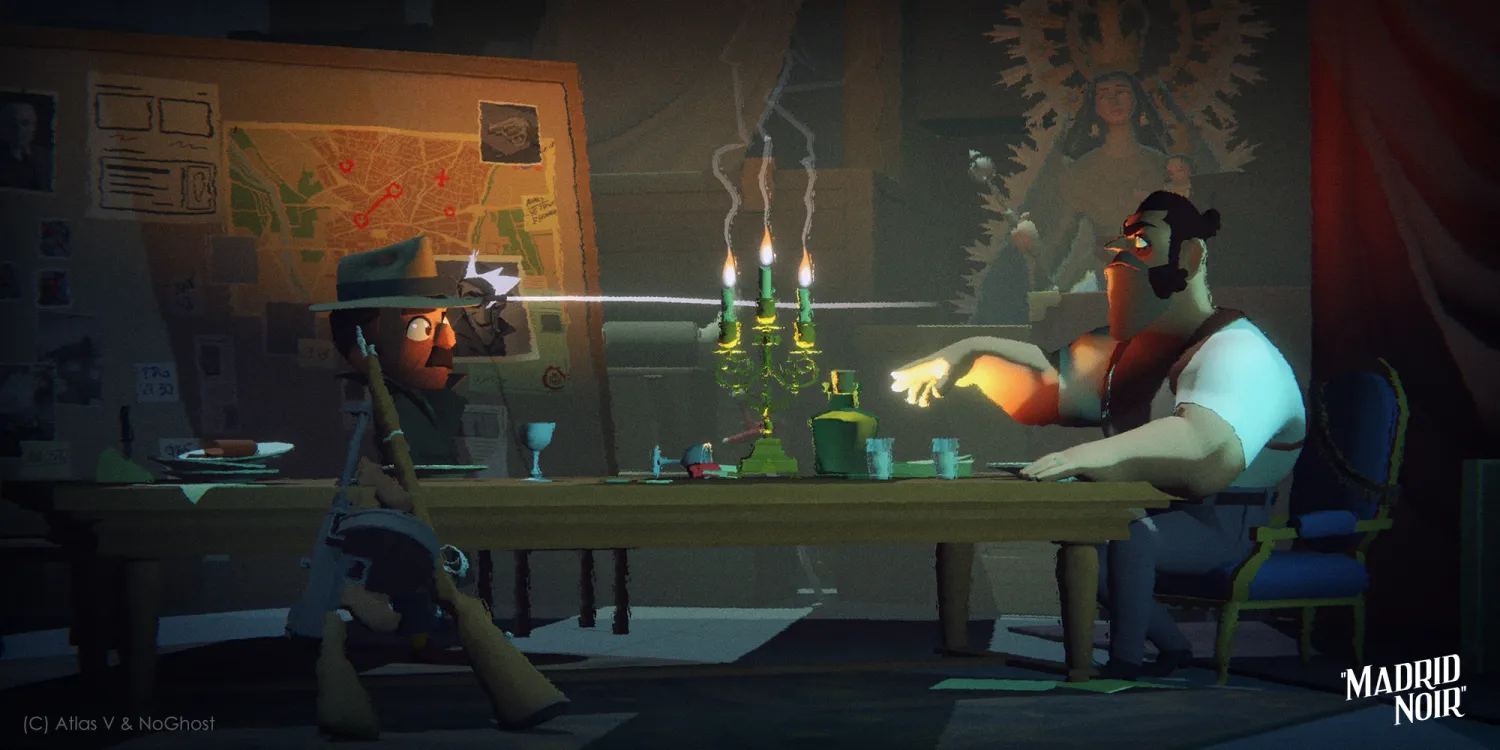
Having started his career in visual effects, part of what first drew Bennett to immersive filmmaking was the opportunity to explore a medium where the creative possibilities were still wide open: “The more exploration and experimentation done in a project, the better,” he says.
A decade on, that sense of experimentation remains. The five years since Madrid Noir have taught Bennett to stay curious: “The biggest lesson is probably that many of the assumptions we made back then need closer inspection.”
Bennett’s own process has settled into something “far more considered”, with more time spent making sure collaborators share an understanding of what an experience should feel like, not just what it should look like.
After ten years of trial and error, one conclusion stands out: “above all, I've learned that simplicity is usually better.”
So, what makes a great immersive film?
After a decade of experimenting, you might expect a complicated response. Bennett's answer is refreshingly straightforward.
“Just a good script: real consideration of the story you're telling, how it unfolds for the audience and exactly how they're supposed to engage with it.”
Despite advances in technology and tools, he says, telling a good story remains the focus of development workshops. The important thing is telling the right story in the right way, while understanding the audience's role within the virtual world and how that role is communicated.
“Immersion is almost entirely of the audience's own making, but the experience has to provide the stepping stones to get there.”
Making an immersive film? We’d love to see it.
If you’ve made a short immersive film of 5 to 20 minutes, the Sony Future Filmmaker Awards’ Immersive category is open for entries until 15 December 2026.