
In June, Two Travelling Aunties won the Non-Fiction category at the Sony Future Filmmaker Awards 2026. What have you both been up to since your win?
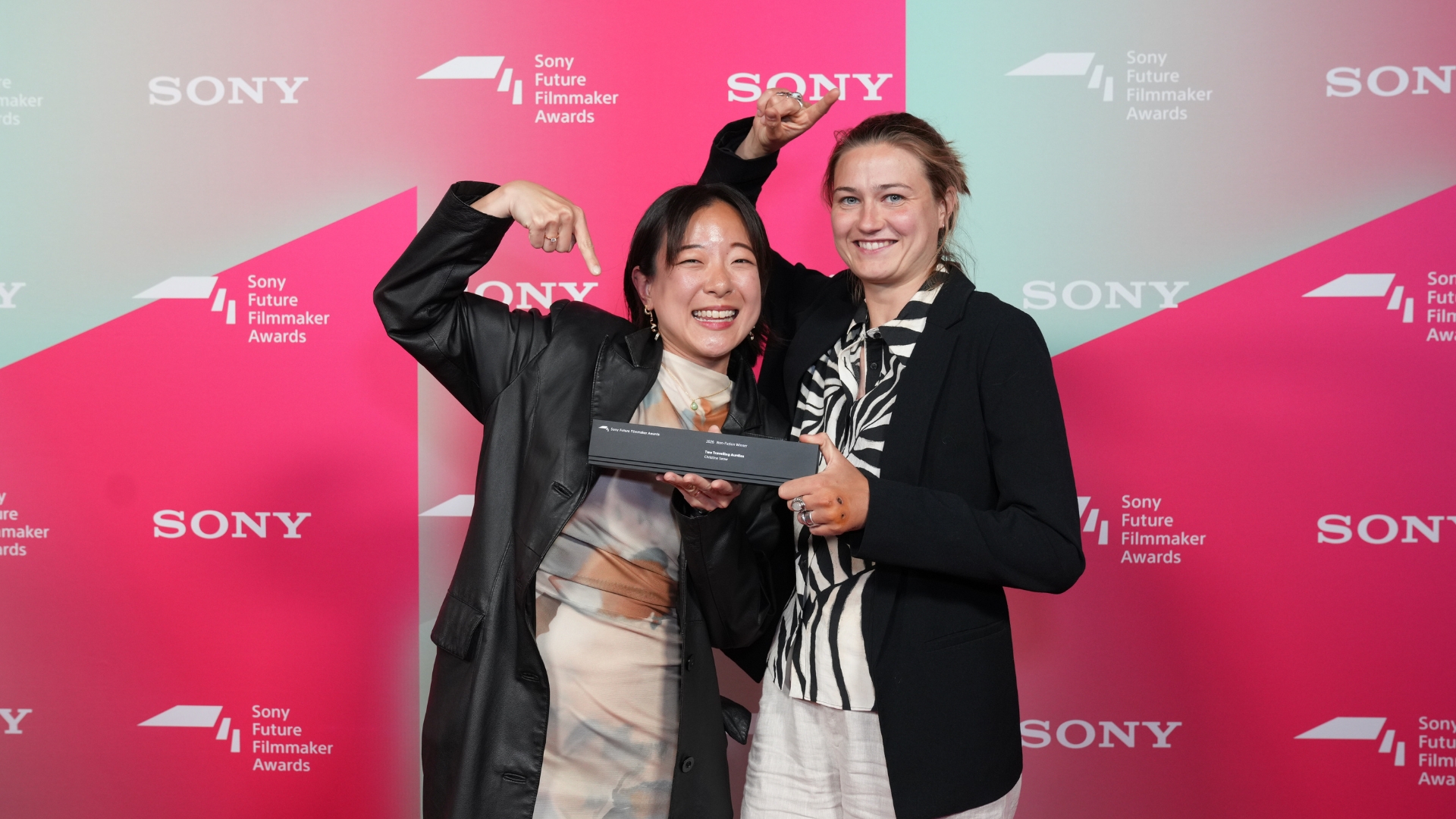
Christine: I’m currently expanding Two Travelling Aunties into a feature-length documentary, and was recently in Bali, Indonesia, for Docs by the Sea, an international documentary forum that showcases and supports creative documentary projects across Asia. Beyond that, I’ve also been exploring projects across different genres. I was selected for the International Film Camp in Macao, an initiative that aims to nurture and empower the next generation of Asian filmmakers, where I had the opportunity to pitch a narrative short film project. More recently, I attended the Asian Pacific Screen Awards Forum in Gold Coast, Australia, where I pitched a black comedy-drama series. It’s been an exciting period of exploring different forms of storytelling and developing new projects.
Antonia: Since June 2026 I’ve wrapped production on a feature documentary on 16mm that we mainly shot in Turkey and partly in Germany. In August I joined the production of “Hamburg Days” on the 2nd camera for two months. “Hamburg Days” is a series about the early days of the Beatles in Hamburg, showrunner & director is Christian Schwochow. And Autumn I spent shooting a short film and a web series in London.
Let’s rewind right back to the beginning. Tell us a bit about yourselves. What first drew you to filmmaking?
Christine: I’ve always enjoyed telling stories and knew that I wanted to be a storyteller in some form. But how I discovered filmmaking as a medium was quite unexpected. During my undergraduate studies in Singapore, I took a module on World Cinema, taught by a professor who would screen films for us every week during lectures. He introduced me to films and filmmakers I had never encountered before, and I was completely fascinated. It was the first time I began looking at cinema as something beyond pure entertainment, and I became intrigued by its ability to communicate ideas, evoke emotions and tell stories in different ways. That experience sparked my interest in the medium, and I gradually found myself getting involved in film-related activities. I became the head programmer of Perspectives Film Festival, a student-led initiative, and was also part of the youth jury at the Singapore International Film Festival. After graduating, I landed my first job as a casting assistant on a narrative feature film. From there, I worked on various productions and took on different roles, including art assistant, script supervisor, and assistant director. Alongside these jobs, I was always creating things on my own, eventually finding my way into directing and producing my own short films. Looking back, it was really a combination of curiosity and simply being around films that led me here.
Antonia: I have been very fortunate to have had the chance of visiting my dad’s sets as a kid. Ever since then I’ve wanted nothing more than being a part of the people making the film happen on set. Since I was 17, I’ve been working on my career, learning how to be a DP, trying to improve, learn and reach for goals I’ve set for myself. Throughout studying at two film schools (I did my Bachelor’s in Cologne at the ifs and my Masters at the NFTS in London) I was very lucky to have met amazing directors that have challenged me and inspired me to become a better creative, questioning decisions and making something of value. My time as a spark also helped me understand lighting and what it means to work on set as a technician. I enjoy most, that the job as a DP invites you to keep learning every day.
What is Two Travelling Aunties about, in your own words? What would you like viewers to take away from it?
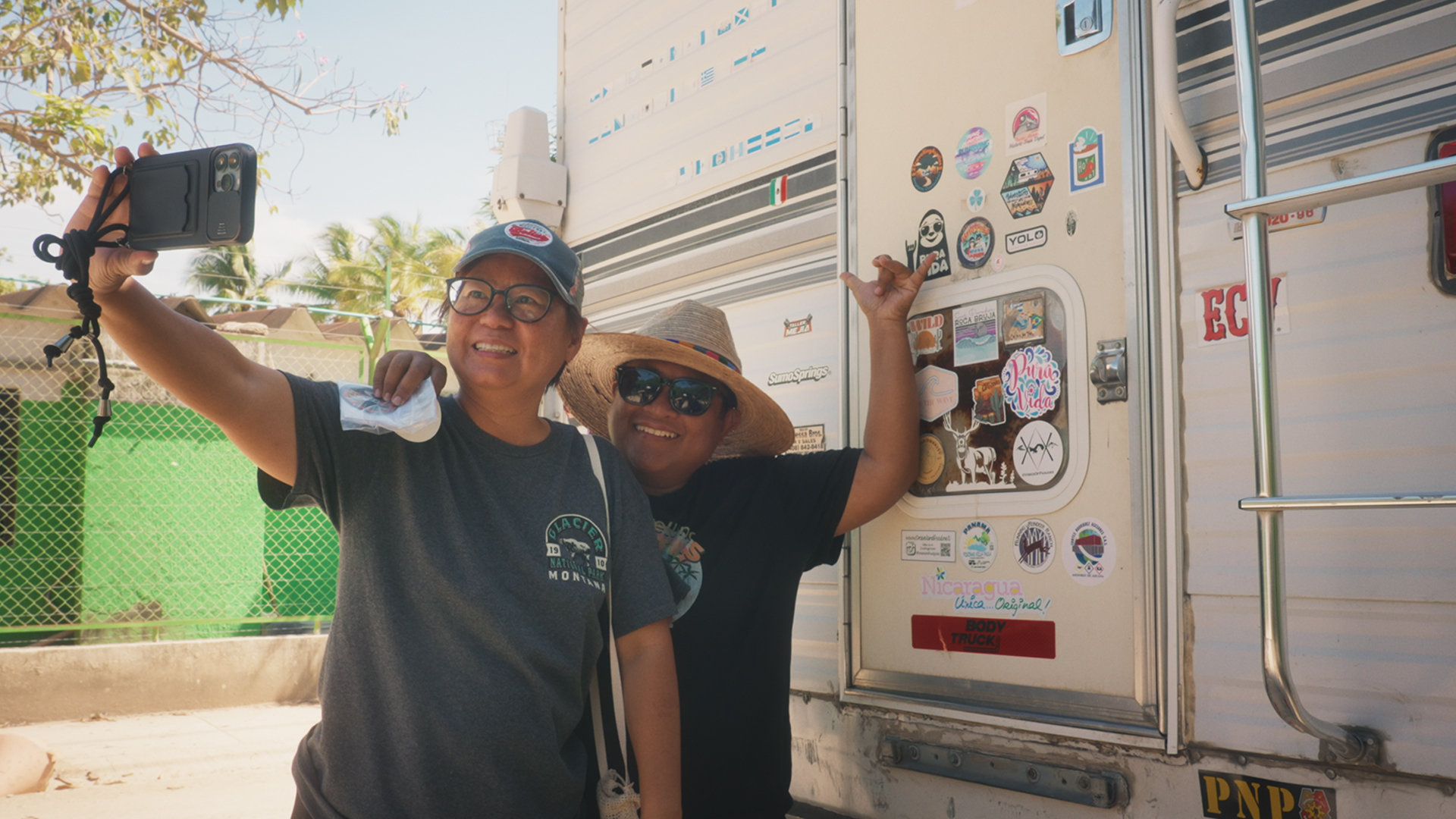
Christine: At its heart, the film is about two women who are adventurous, independent, and reclaiming their freedom. They have chosen to live life on their own terms, despite the expectations and conventions that society might place on them. I hope the film encourages viewers to have the courage to pursue their own happiness, regardless of their age or what others might think. It's never too late to make a different choice, take a leap of faith or live life in a way that feels true to yourself. More than anything, I hope audiences walk away with a little more hope and the courage to embrace the possibilities that life has to offer.
Antonia: In my eyes the film is about love and acceptance. But it’s also about what you win and what sacrifices you make when you decide for you, yourself and your own happiness. To me the film asks the question, what makes you happy and it’s a reminder, that if you look closer, you actually might be able to choose for yourself. The film also shows that you’re allowed to change paths, you don’t have to stick on the one society wants you to follow or the one you once chose for yourself.
How did you first meet Norah and Susie, and what made you want to tell their story?
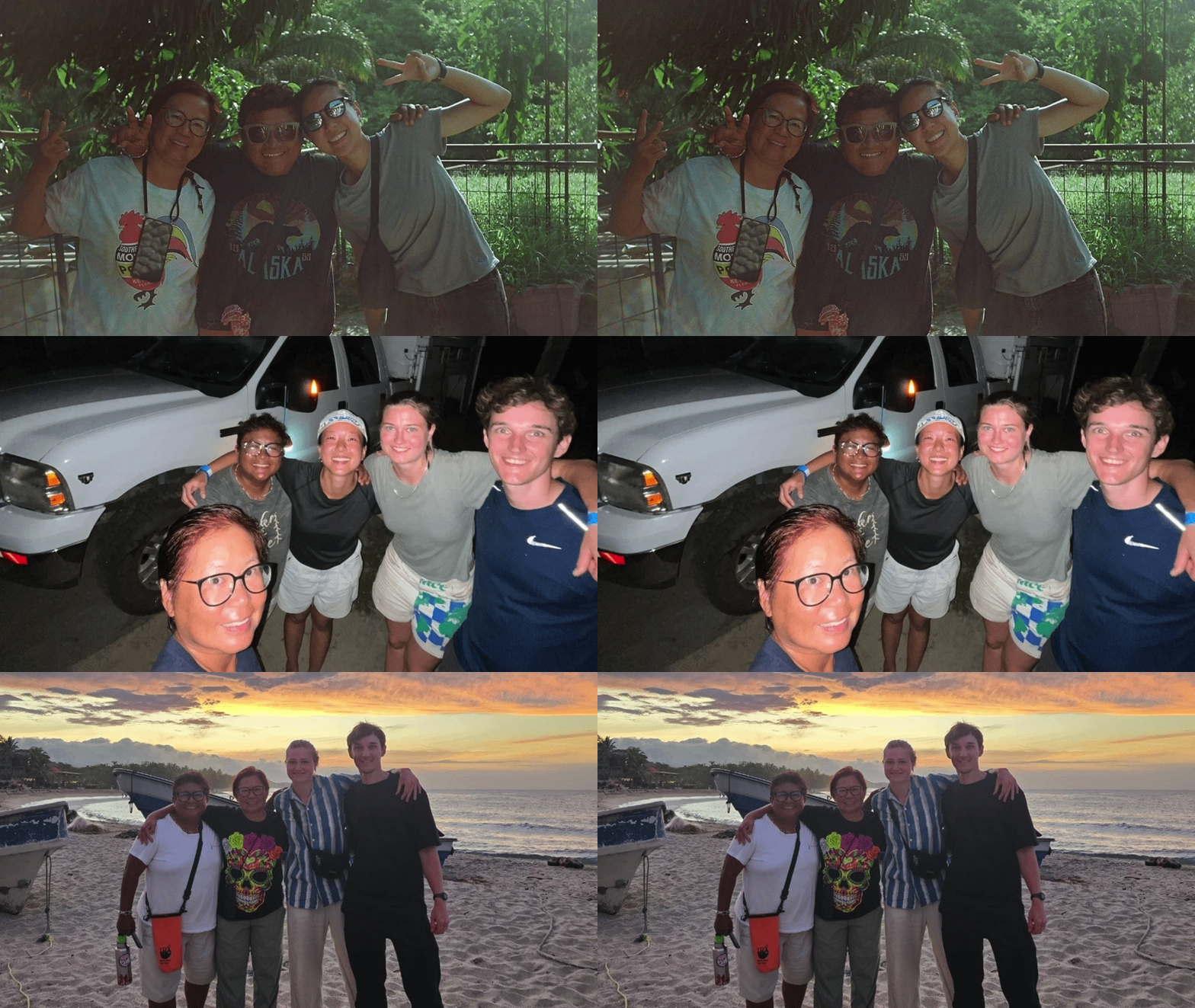
Christine: I first came across Norah and Susie through an article about their travels. I was intrigued by their story and found their Instagram account, where they shared photographs and snippets of their journeys. I decided to reach out to them, and we arranged a video call where I introduced myself as a filmmaker and got to know them a little better. What struck me immediately was their humour and adventurous spirit. As we continued talking, I realised there was something really lovely about the dynamic between them. We got along well, and our conversations would often go on for quite a while. I was drawn to their story because I felt there was something deeper beneath the surface of their travels. Beyond the adventures and beautiful destinations, I sensed there were other layers to their lives, their relationship and the choices they had made. I wanted to explore that further and find out what their journey was really about.
Antonia: I met Norah and Susie when we arrived in Colombia and I am so grateful Christine took me on the journey and I was able to meet these loving and inspiring souls.
How did you build the trust that allowed Norah and Susie to share their lives with you? How did you approach filming more personal moments?
Christine: Before flying out to meet them in Colombia, I had many conversations with Norah and Susie. Each time we spoke, we would talk about something different, whether it was our lives, our experiences or simply getting to know one another better. I think being open about myself, while maintaining close communication about the intentions behind the film, helped establish a sense of trust between us. When we eventually travelled to Colombia, we spent three weeks together. We didn't do much filming during the first week because it was our first time meeting in person, and I wanted us to have the space to get comfortable with one another. Although the camera was around so they could gradually get used to its presence, we didn't feel the need to film everything. We allowed ourselves to simply spend time together, sharing meals and having conversations. In a way, we were sharing our lives with them just as much as they were sharing theirs with us. When it came to the more personal moments, we approached them later in the shoot, when we had developed a better understanding of one another and the dynamics between us. By then, they had also become more accustomed to the camera. I think that familiarity allowed them to feel more at ease and vulnerable in front of us, and gave those intimate moments the space to unfold naturally.
Antonia: We spent every day with them for three weeks and we went on little adventures together with Norah and Susie. We very much sticked to their plan and what they wanted to see in Colombia and after a while it almost felt like a family being on a holiday together. We were always physically close, constantly communicating and cracking jokes together. I think that made everybody feel like they were at the right place with the right people and helped Norah and Susie to realize they could trust us as humans but also as filmmakers. During shooting Christine and I barely spoke to each other. If we wanted to change camera position for example, that was communicated with a quick look. I made sure I worked quietly and wouldn’t distract, so that Norah and Susie would ideally forget the camera was there and Christine was able to focus on them and potential questions she wanted to ask.
What were some of the key decisions behind the film’s cinematography? How did filming on the road and in the van influence your approach?
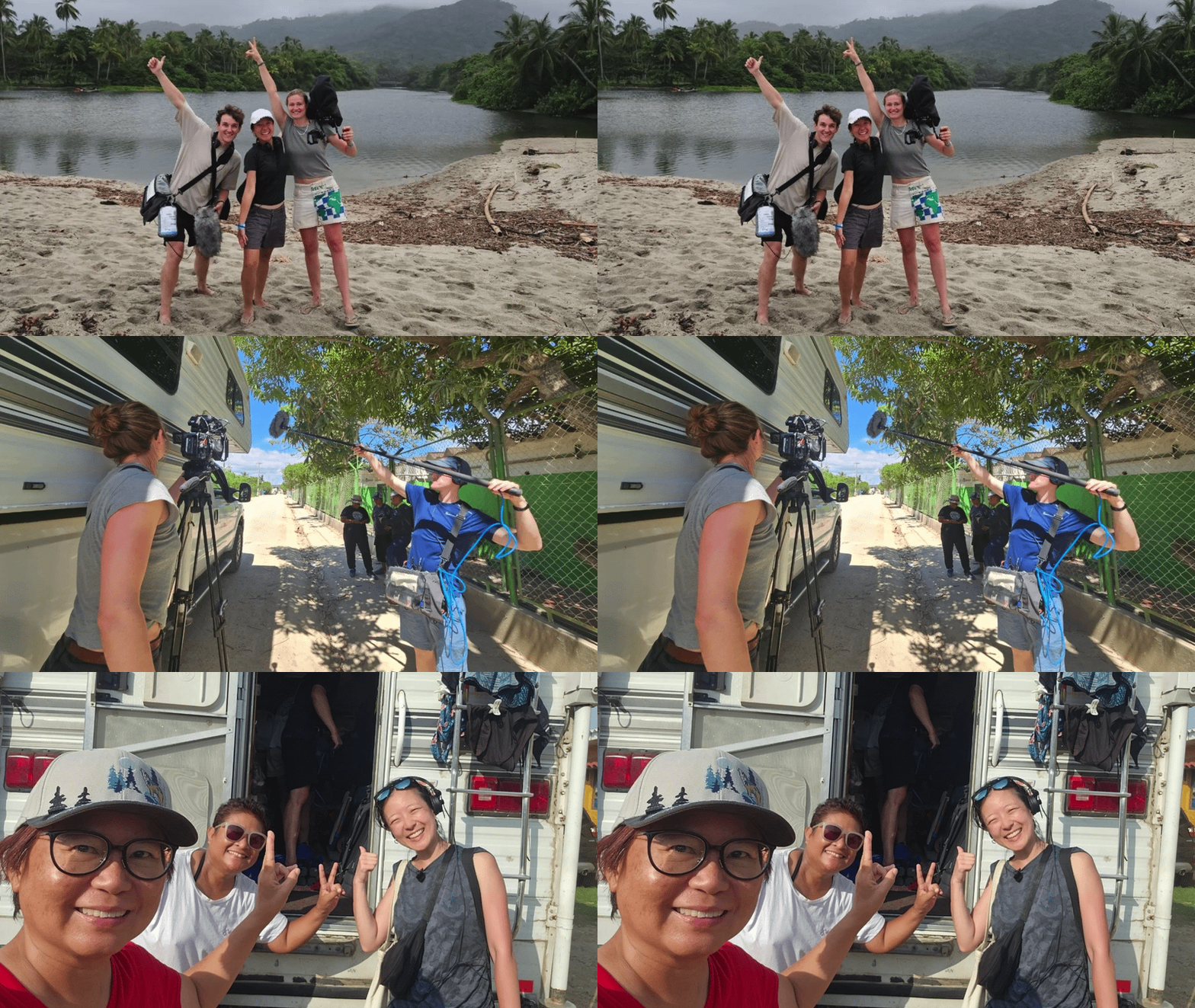
Christine: Living and travelling in a van meant that space was always a constraint, and we didn't want to take a run-and-gun approach. And so we wanted to be more intentional about how we framed and captured their world. During pre-production, Antonia and I had several discussions about the visual direction of the film. We exchanged references, talked through different ideas and considered the kinds of shots we wanted to create. Being in such a confined space also challenged us to think more creatively about composition and how we could make the most of the environment around us. At the same time, we wanted the cinematography to feel connected to the experience of travelling with Norah and Susie. There was a balance between creating intentional images and remaining open to the spontaneity of life on the road.
Antonia: To me it was important that there was a certain calmness coming from the cinematography. So, we decided before we started the shoot, that we don’t want to do a handheld film, but we wanted to use tripod only and potentially a gimbal. This meant that framing and camera positioning became my primary tools in shaping the visual style. It was important to me that every frame and camera position was intentional and served a clear purpose. I’m still very happy me made that decision, because it forced us to focus in moments of chaos. The 3:2 aspect ratio we chose, because we didn’t want this to be a film about Colombia necessarily but about our two protagonists and the aspect ratio helped focus on the people rather than the environment.
How did you work together to capture both the adventure of Norah and Susie’s travels and the quieter moments in their relationship?
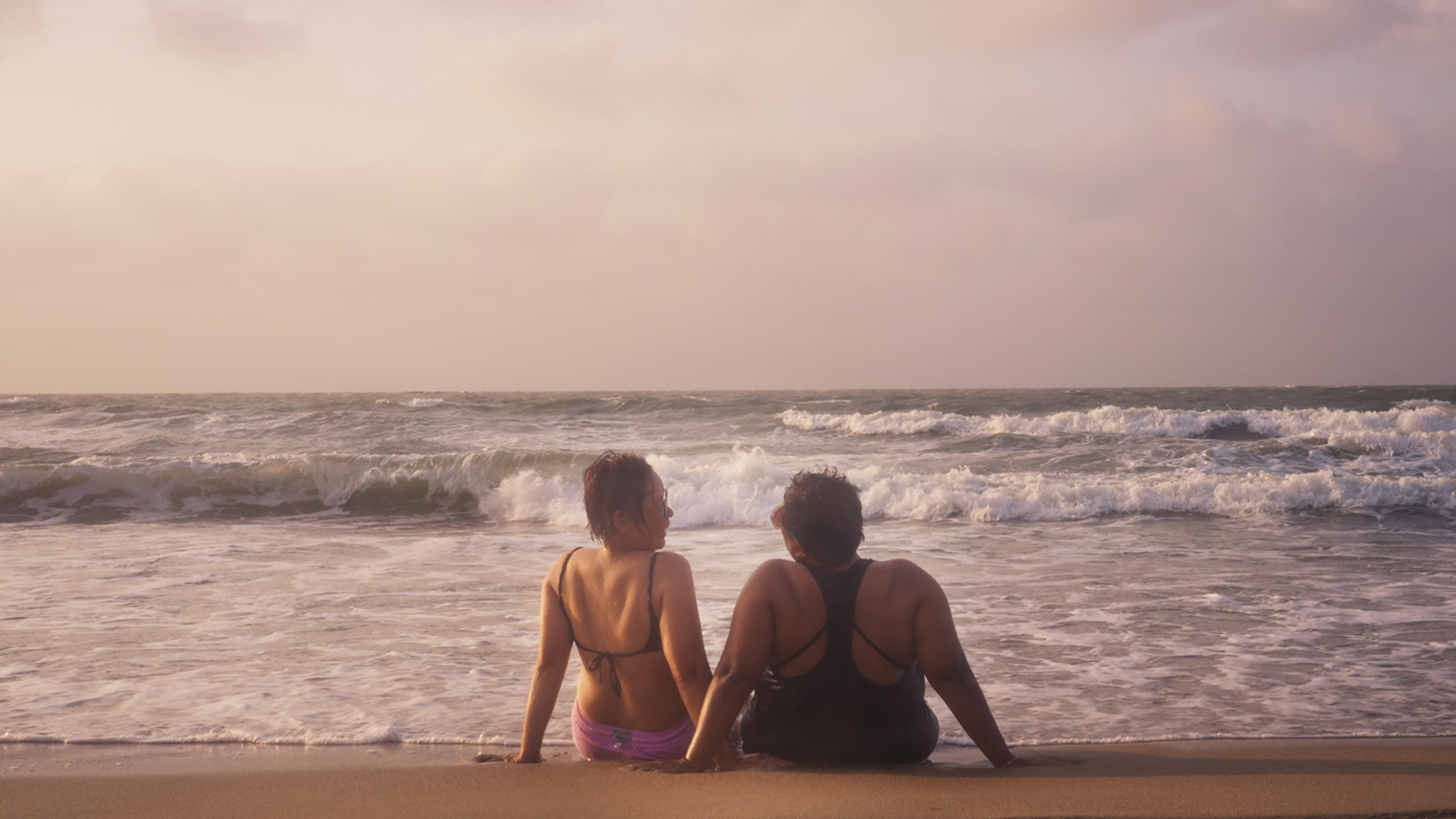
Christine: It was actually Antonia and my first time working together, but things went really smoothly. Antonia is such a lovely person to work with. She's always open to trying things, and no idea ever felt too silly to put forward. It made the whole process really fun because we could bounce ideas off each other and experiment without feeling restricted. We tried our best to keep up with Norah and Susie's adventures, but to be honest, those two had so much energy and spontaneity that there were times when we could barely keep up with them! I think having that openness between us as a crew helped us respond to whatever was happening in front of us, whether it was an exciting adventure or a quieter, more intimate moment between the two of them.
Antonia: It was such a pleasure to work with Christine, not only because she’s a loving and fun person to be around but also, she’s very organised and clear about what scenes she would like to capture. That meant that every day we had an agenda and a rough plan that would combine an activity and a moment between Susie and Norah that we would like to film.
What is your favourite scene or moment in the film, and why?
Christine: It has to be the scene where Norah and Susie are lying on the hammocks and they ask each other, "If me and your mum were drowning in the river, who would you save?" I love this scene because it's so funny and captures their playful dynamic, but beneath the humour, there's also something much more tender. It reveals a deeper yearning for acceptance and affection, which I think is a very universal feeling. The story behind filming that scene is also particularly memorable. That night, there was a heavy downpour, which caused a blackout at the hostel. We had no electricity and initially didn't think we would be filming anything. So we simply sat around and started chatting. Eventually, that conversation led to the scene you see in the film. It became one of those unexpected nights that I will always remember, and I think it captures the spirit of the film quite beautifully.
Antonia: It has to be the Hammock scene. That moment with Susie and Norah on the rooftop of our apartment house was pure magic. What makes this moment so special is not only the fantastic and funny story of how we ended up there, but also the scene itself. It begins with the very characteristic humor of Susie and Norah, before ending on one of the most important and emotionally powerful lines in the film. For me, this is where the real beauty of documentary filmmaking lies. We initially did not plan for this scene to happen.
What were some of the biggest challenges you faced while making the documentary, and how did you overcome them?
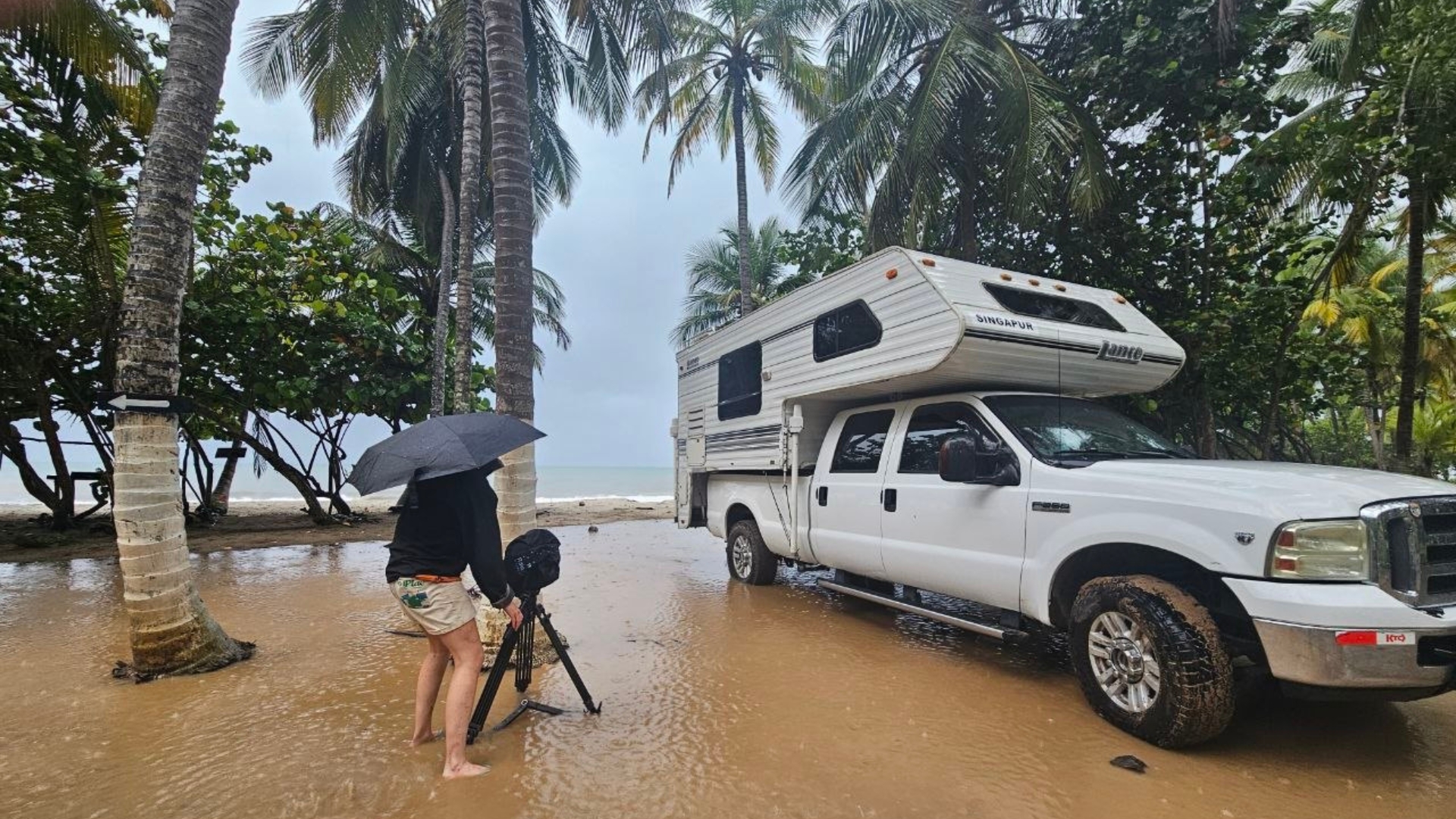
Christine: One of the initial challenges was shooting in a territory that none of us had been to before. There was a lot to anticipate and prepare for, but thankfully, our mentors guided and encouraged us throughout the process, making sure we were as prepared as possible before setting off. Language was another challenge. I even started learning some basic Spanish before the shoot to help us navigate the experience. Being constantly on the road also meant that we had to plan ahead, anticipate our journeys and arrange accommodation along the way. With the help of our production manager, Alice, we did the best we could, while also learning to adapt and think on our feet every day. Things didn't always go according to plan, so being flexible was essential. Post-production brought its own challenges. We had accumulated hours of footage, and deciding what to leave on the cutting room floor was particularly difficult, especially because I had become quite precious about certain moments. Thankfully, my amazing editor, Piotr, brought a fresh perspective to the material and was instrumental in shaping the story. Sometimes, having someone step back and look at the footage with fresh eyes is very important.
Antonia: The weather was definitely one of the biggest challenges. It was rainy season when we were there which meant every day at around 3pm it would rain buckets – a couple of times we would even struggle to get to our accommodations – or we would have power outages due to the heavy rain, meaning we couldn’t charge batteries sometimes. But it wasn’t just wet it was also very hot being 30 degrees Celsius every day and night. We got used to it tough and we definitely bonded over facing the challenges together.
What has winning the Sony Future Filmmaker Awards Non-Fiction category meant to you, and how do you hope it will influence your filmmaking careers?
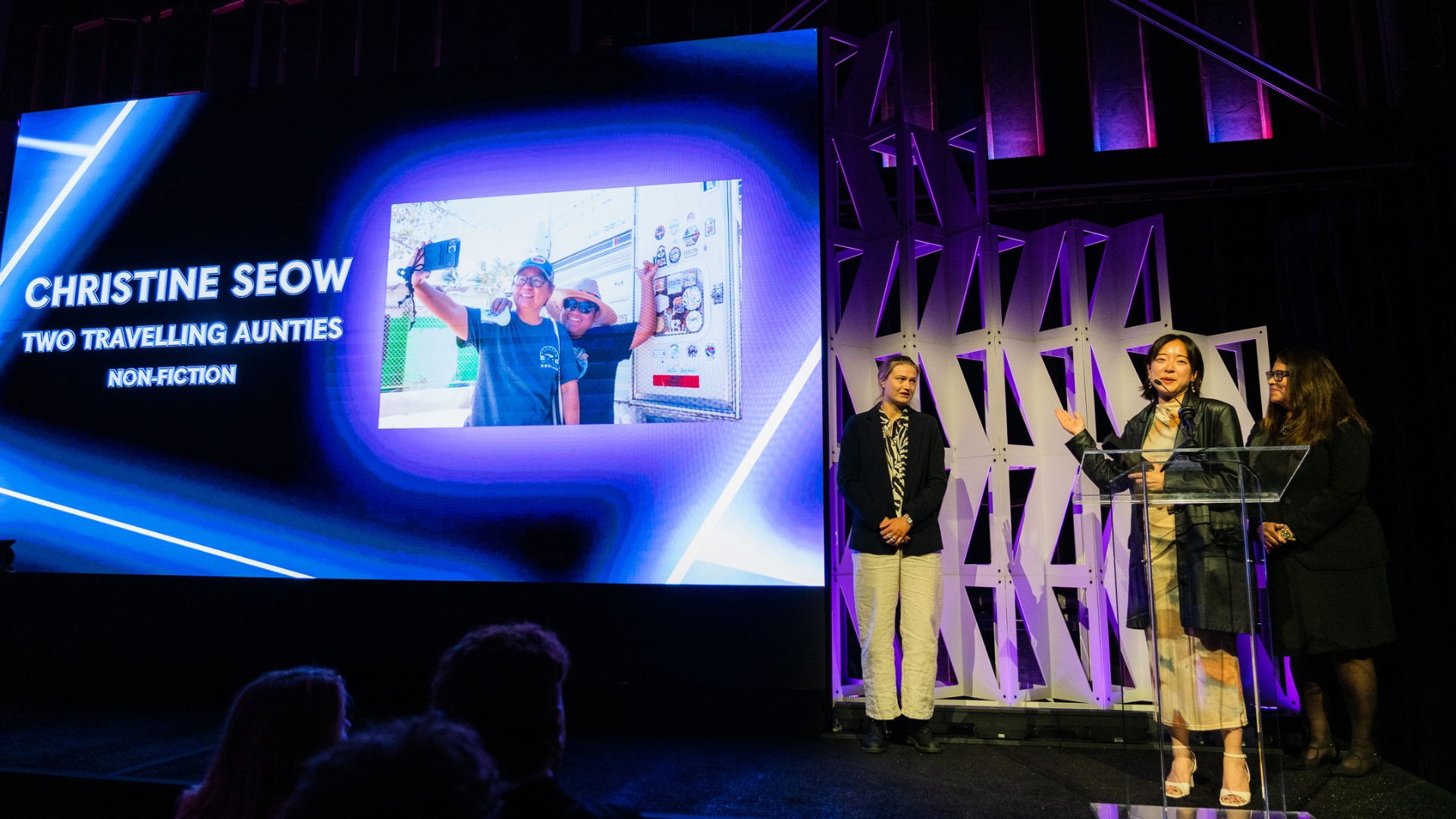
Christine: It means the world to me. Although the film had received recognition at other festivals and awards, this was actually the first time I was physically present to receive an award for the film. Being there to experience that moment made it particularly special. It was also incredibly meaningful to have the film recognised among such a large number of submissions and great films. Coming from Singapore, a small country in Southeast Asia, it felt especially encouraging to see a story rooted in our part of the world receive this kind of international recognition. More than anything, the win has given me a renewed sense of confidence to keep making films and telling stories that I believe in. I hope it opens doors to more opportunities, collaborations and future projects. I'm particularly excited about developing Two Travelling Aunties into a feature-length documentary, and hope that this recognition will help the project find its way towards production, further screenings and eventually a wider audience.
Antonia: Winning the Sony Future Filmmaker Award means a lot. I’m really happy to see the film getting the recognition it deserves, and I hope it will also help get the feature film off the ground. On a personal level, I’m incredibly grateful for the time we spent in L.A. and for the friendships we made with filmmakers from all over the world. As filmmakers, we constantly question ourselves and what we do, so I think it’s important to come together, support each other and realise that the work we put so much time and effort into really does have an impact. It can open doors to bigger things and bring people together. The whole experience definitely gave me the encouragement and motivation to keep going.
What advice would you give to emerging filmmakers looking to make their own documentary?
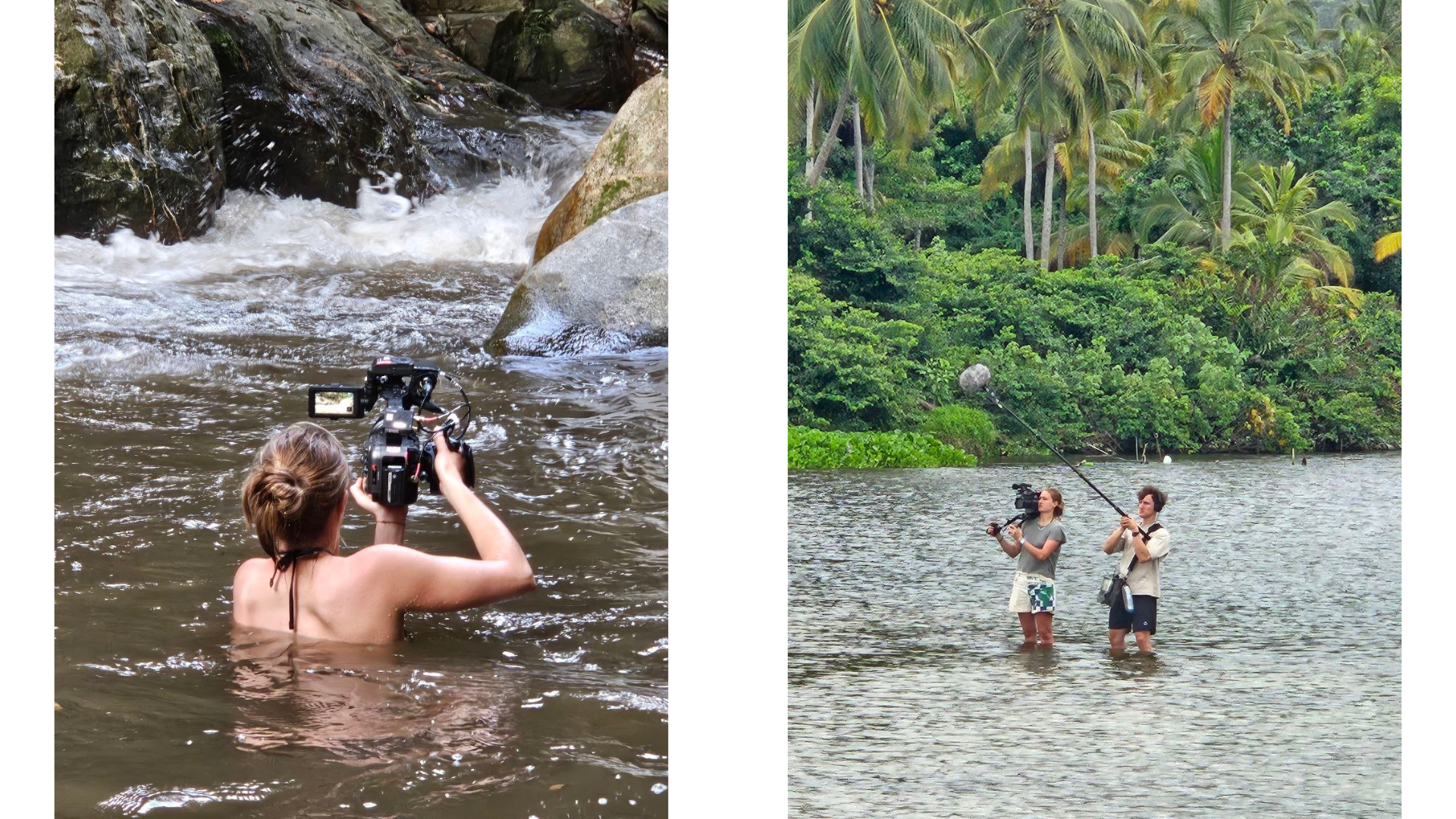
Christine: Don't doubt yourself. Just go ahead and do it! I think the purity and excitement of creating something are very precious, especially when you're starting out. Don't let the fear of not having enough experience, resources or the perfect circumstances stop you. Sometimes, you just have to take that first step and see where it leads. Hold on to that excitement and curiosity, and hopefully don’t lose it along the way.
Antonia: If you’re someone who is just starting out and you can get hold of a camera and a mic start shooting. You don’t need to travel around half the world. Maybe chat to people in the pub or even make it about your friend who inspires you. Tell their story and learn about yourself and your own creative preference while you make it. It does not have to be perfect, just start and see what you can make.
What was your favourite workshop at the Sony Future Filmmaker Awards, and what did you take away from it?
Christine: I really enjoyed the film screenings. It's not often that we get the opportunity to watch all the films by our fellow nominated filmmakers, so I appreciated being able to experience everyone's work in one place. It was inspiring to see the different stories, perspectives, and approaches to filmmaking, and it reminded me how much there is to learn from one another. My favourite workshop was probably the first session, led by Tim Ahlering, Director of Music Marketing at Sony Pictures. Music marketing isn't something I'm particularly familiar with, nor was it an area I had previously thought I would be interested in. But Tim was such an engaging speaker, and his presentation made it fun and insightful. It made me realise that even the business side of filmmaking can be creative and exciting. It was a refreshing perspective, and something I hadn't really considered before.
Antonia: For me, it was the entire experience: the whole week and, above all, the conversations. The exchanges between the young filmmakers, as well as those with the speakers and more established filmmakers, were incredibly inspiring and will stay with me for a long time. Sony and Creo put together a fantastic program that made us all feel special and gave us a week that, for me, was the perfect start to summer.
What are you currently working on, and what can we look forward to from you next?
Christine: I recently directed a new short documentary titled The Clippers. It's a short film that explores women's relationships with their hair, centred around a simple but unexpected question: would they be willing to shave it? The film brings together women of different ages, backgrounds and identities, each confronted with the choice of whether to shave part of their hair, shave it all or refuse altogether. Through this simple premise, the film explores the personal meanings and relationships we attach to our hair. The Clippers was selected by Project Spark, a global competition organised by NANLUX/NANLITE, and was awarded a production grant. It is expected to be released next year, and I'm currently sending the film out to festivals, so fingers crossed! I'm also continuing to develop Two Travelling Aunties into a feature-length documentary, alongside a couple of other ideas I'm exploring at the moment. There are quite a few things in the works, and I'm excited to see where they lead.
Antonia: For now, it looks like I’ve wrapped all my productions for this year. I’m looking forward to seeing the films we shot get released and finally being able to share them with everyone. It’ll be a wide range of films: There will be a feature documentary on 16mm, a TV series I operated on, an experimental short with a strong plot and a fictional short, as well as a web series with a lot of action which we have shot on a tiny budget in the shortest amount of time possible.
Follow Christine Seow and Antonia Schäfer on Instagram.