
Fiction gives filmmakers the freedom to invent, exaggerate and ask: what if? They can take a familiar problem to an unexpected extreme, imagine the consequences of decisions being made today or create a conflict that challenges what we take for granted.
If you’ve made a fiction short exploring social or environmental issues, even as a secondary theme or subtle narrative element, it could be considered for the Sustainability Prize when you enter the Sony Future Filmmaker Awards.
What themes does the Sustainability Prize recognise?
Created by Creo and Sony, the Sustainability Prize recognises work exploring themes linked to the Sustainable Development Goals. These include the environment, accessibility, diversity, equity and inclusion.
For fiction filmmakers, those themes can run through stories about home, work, belonging or the choices available to a character. These eight films from previous editions of the Awards offer different ways into them.
The Ballad of Tita and the Machines by Miguel Angel Caballero & Luis Antonio Aldana
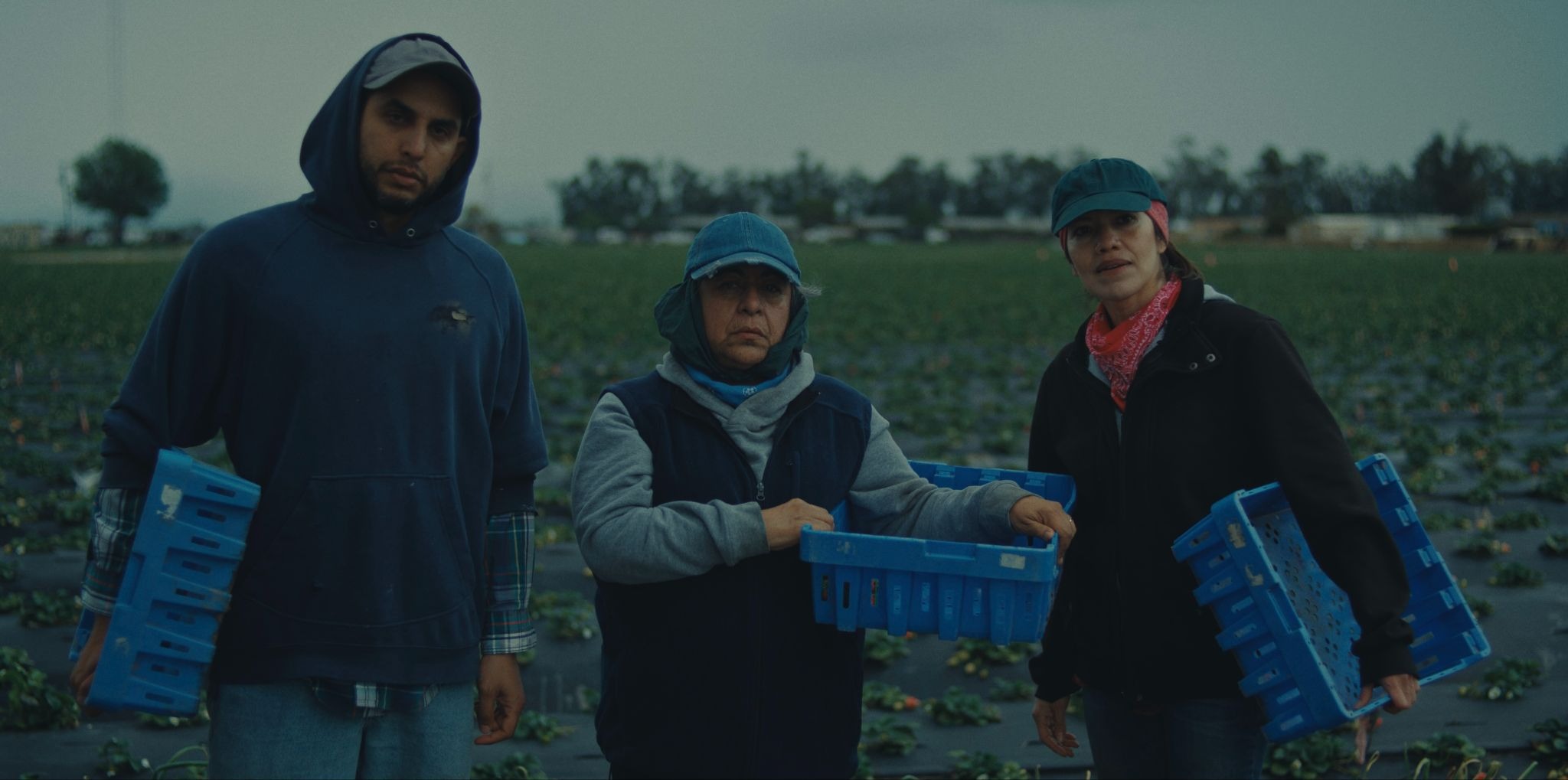
The Ballad of Tita and the Machines, shortlisted in the 2025 Fiction category, follows an injured, elderly farmworker who hires an AI substitute to pick strawberries in her place. When the machine cannot cope with the demands of her job, her work attracts the attention of its creators. The short flips the AI narrative, highlighting the strength of human resourcefulness. Through science fiction, it explores working conditions, inequality and the value of labour that often goes unrecognised.
A Sisyphean Task by Gus Flind-Henry & George Malcher
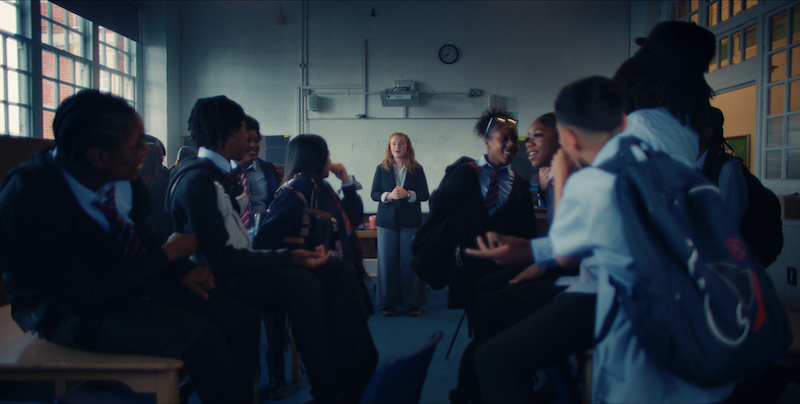
Shortlisted in the 2026 Fiction category, A Sisyphean Task follows a teacher in a South London classroom. The short film shows what it takes to provide quality education, focusing on the people behind children’s learning and the support they need to keep teaching
Salt Water Town by Dan Thorburn
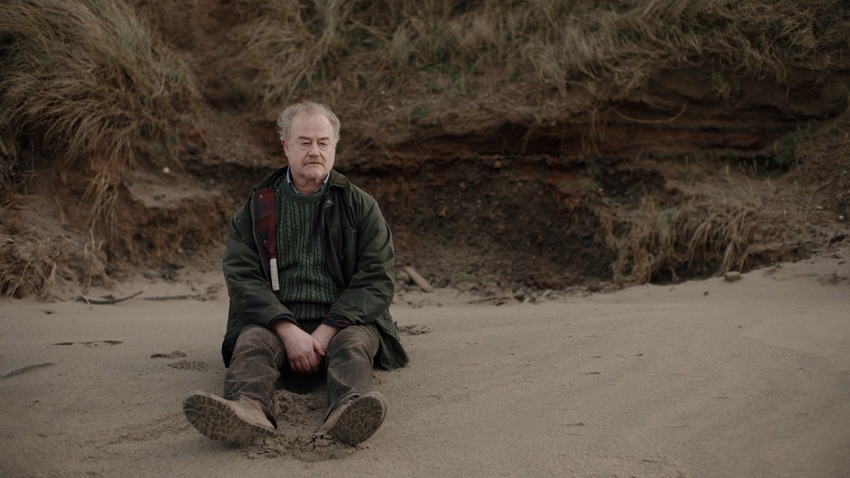
Winner of the Fiction category in 2023, Salt Water Town follows a father and son at odds over the future of their struggling caravan park on the Welsh coast, where rising sea levels threaten their livelihood. The premise brings an environmental issue into a family conflict. Home, work and the relationship between two generations give the changing coastline an immediate, personal significance.
Babel by Jaap Deinum
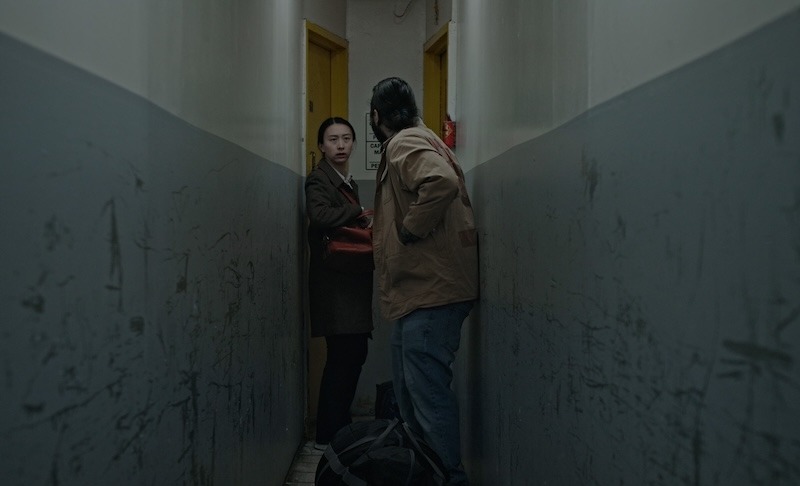
Set in a cramped New York apartment building, Babel follows Peihong, a Chinese immigrant anxiously awaiting a long-delayed citizenship decision so she can bring her young daughter to the U.S. The film, shortlisted in the Fiction category in 2026, explores how policy and circumstance can quietly pit neighbor against neighbor.
Norheimsund by Ana A Alpizar
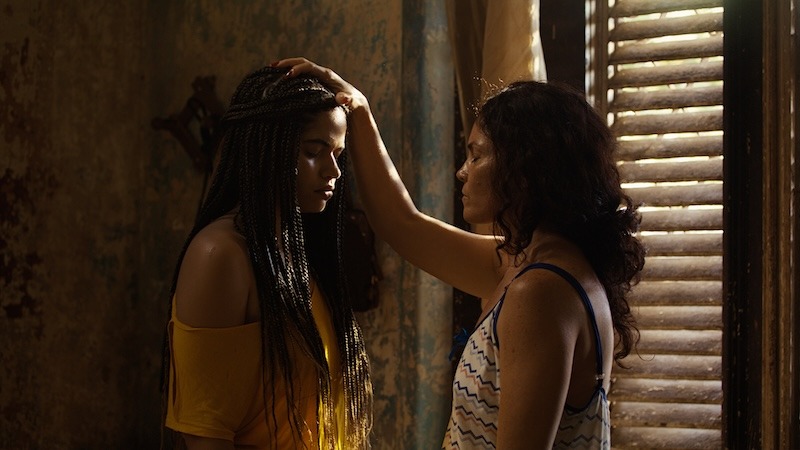
Winner of the 2026 Student category, Norheimsund follows a Cuban girl whose long-distance romance with an older Norwegian man promises to lift her and her mother out of poverty. Her hopes are shaken when he turns out to be different from the man she imagined. The short explores how financial hardship shapes relationships, family expectations and the choices available.
Resource:Full by Paul Robinson
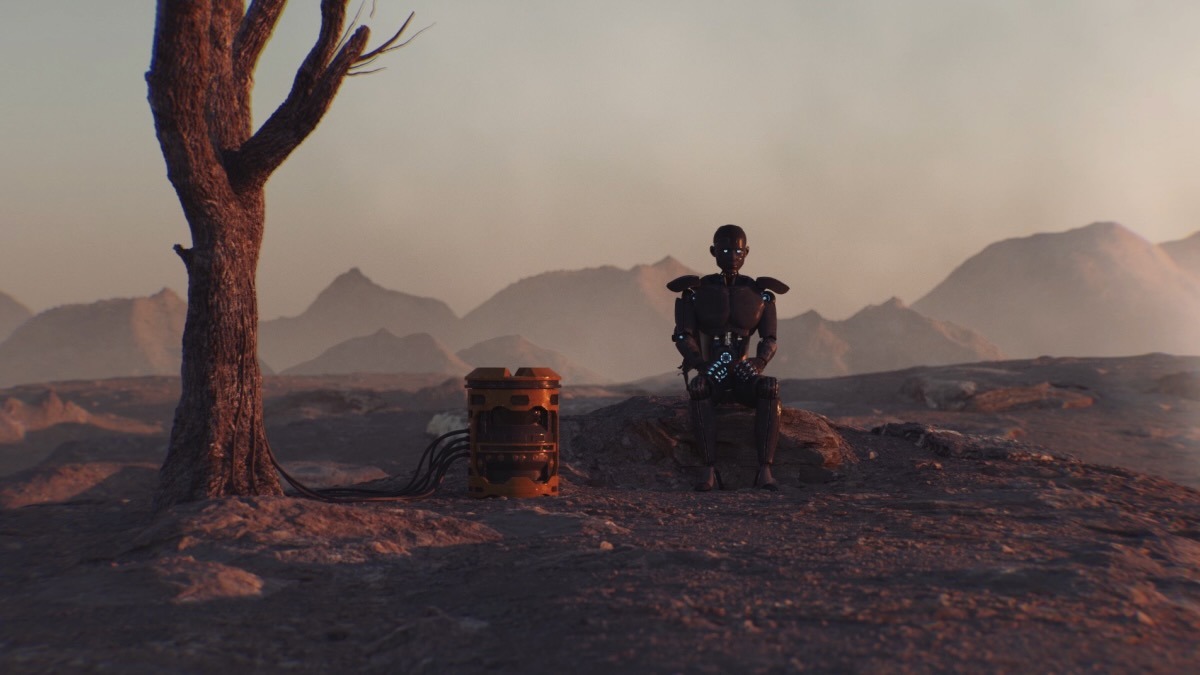
Shortlisted in the 2024 Animation category, Resource:Full follows a machine attempting to leave a depleted planet by drawing power from a single tree bud. Set against a barren landscape, the short explores the consequences of exhausting natural resources, raising questions about overconsumption and environmental responsibility.
Angel in the Stone by Faith Olaewe & Doyinsola Ajayi
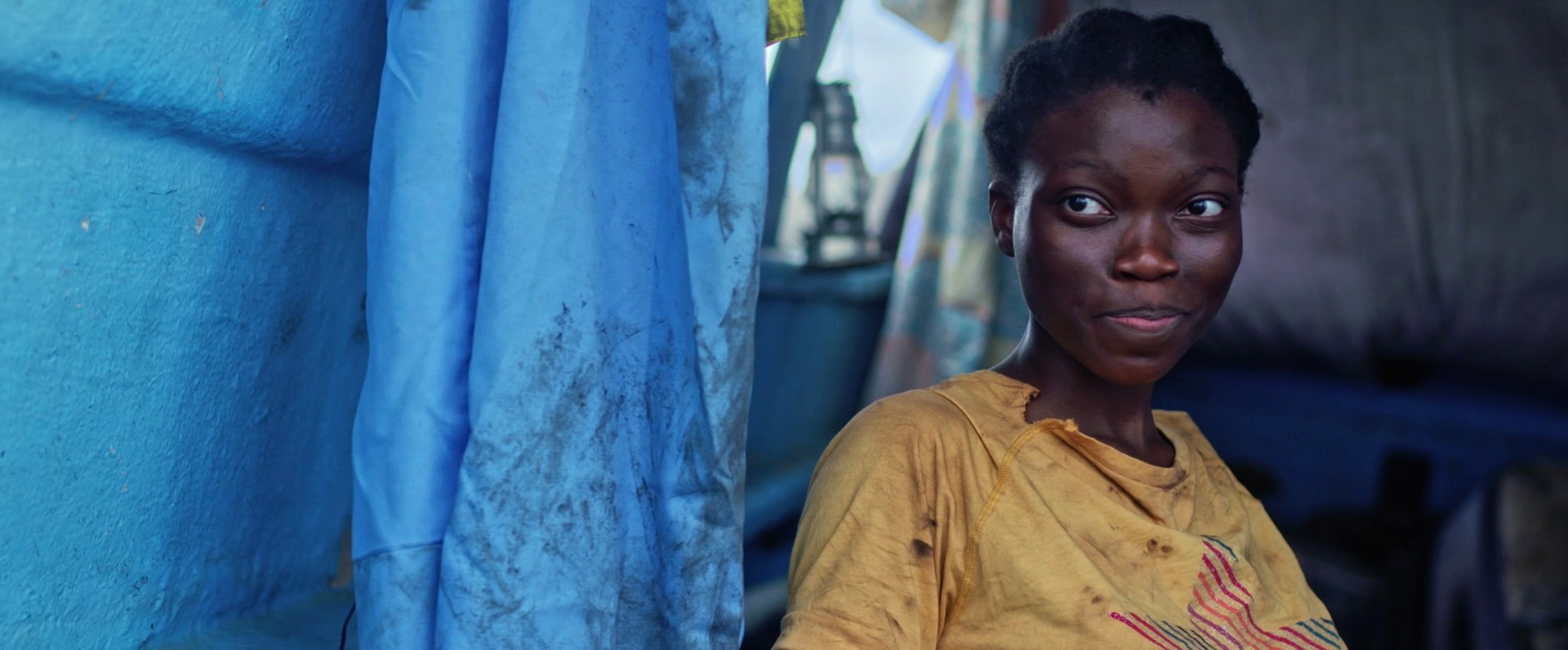
Shortlisted in the Student category in 2025, Angel in the Stone follows follows Shalewa, an autistic teenager who finds comfort in making and repairing objects from scrap metal. When a fish shortage threatens her mother’s income, leaving the family in debt and facing eviction, she puts her skills to use. The short invites reflection on disability inclusion, poverty and the vulnerability of families dependent on natural resources.
Wildmen of the Greater Toronto Area by Solmund MacPherson
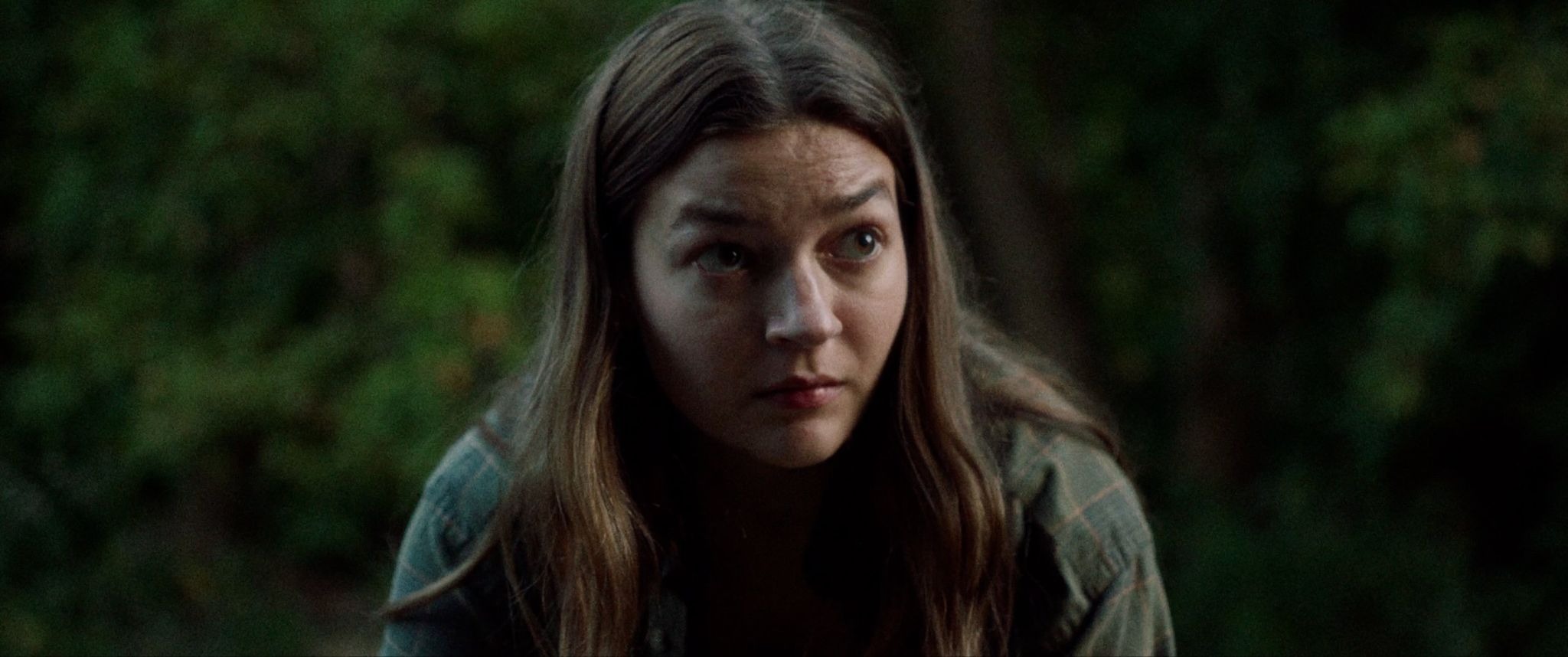
In Wildmen of the Greater Toronto Area, people renounce their humanity to escape the cost of living, establishing a new society in Toronto’s ravines. Winner of the Environment category in 2024 and featured on our Sustainability Prize page, the film takes a familiar pressure into an imagined situation. Its premise invites questions about how we organise society and our relationship with nature.
Hermanos Casablanca (Casablanca Brothers) by Santiago O'Ryan & José Navarro
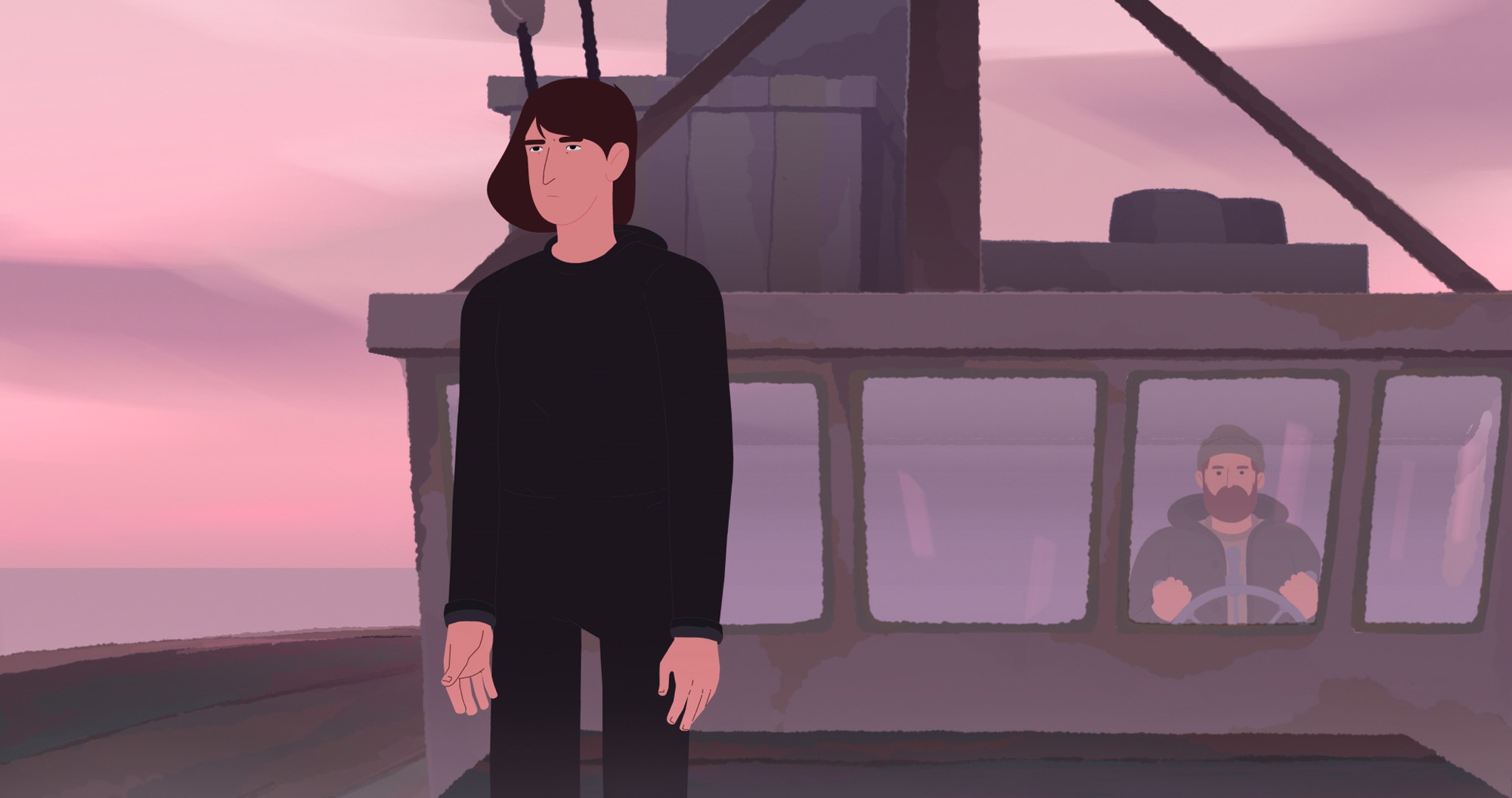
Winner of the 2025 Animation category, Hermanos Casablanca (Casablanca Brothers) is set in Chile in 1982, during Pinochet’s dictatorship. Two brothers working as shellfish divers agree to recover the body of an army officer’s son lost at sea, in exchange for news of their missing sister, who is detained by the military. The short invites reflection on political repression, abuses of power and the importance of human rights and justice.
Fireline by Robin Takao D'Oench
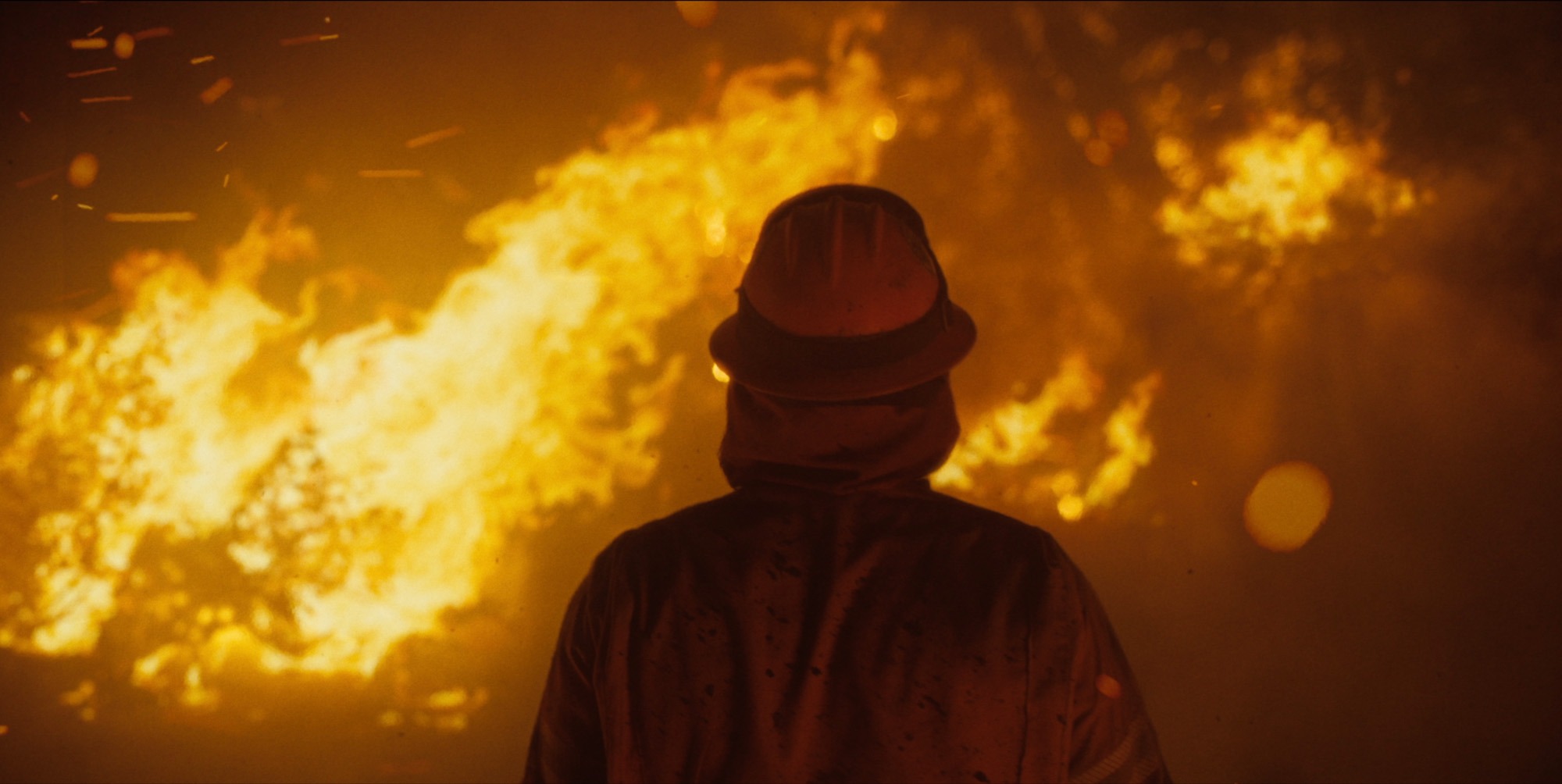
Shortlisted in the 2025 Fiction category, Fireline is set against a backdrop of a historic fire season. An inmate firefighter is denied parole and desperately tries to call home while his crew combats a wildfire. The extreme environmental conditions here go hand in hand with a more personal story.
Twenty by Jason Hogan

Emily is a ballet dancer preparing for an audition that could change her life. She is also homeless, struggling to find somewhere to sleep while pursuing her art. Shortlisted in the Fiction category in 2024, Twenty places ambition alongside the practical barriers to realising it. Its premise offers a starting point for thinking about how fictional stories can explore inequality and access to opportunity.
Could your story connect with these themes?
Think about what drives your story. The theme might be woven into the setting, shape a character's experiences or emerge as an underlying thread in the story. Even a subtle connection can offer a meaningful perspective on our changing world.
How to be considered
Enter your short film into the Sony Future Filmmaker Awards 2027 Fiction, Non-Fiction, Student and Animation categories. Films that match the Sustainability Prize theme will be considered for the prize. There is no separate Sustainability Prize entry.
The winner receives $5,000 (USD), Sony Digital Imaging equipment and promotion across the Awards’ channels and websites.
Fiction, Non-Fiction and Student entries must be 5–20 minutes long, whereas the Animation entries must be 2-20 minutes long. All submissions must meet the Awards’ entry requirements.
Entry is free. Deadline: 15 December 2026 at 07:00 CST.
Enter the Sony Future Filmmaker Awards